

The result
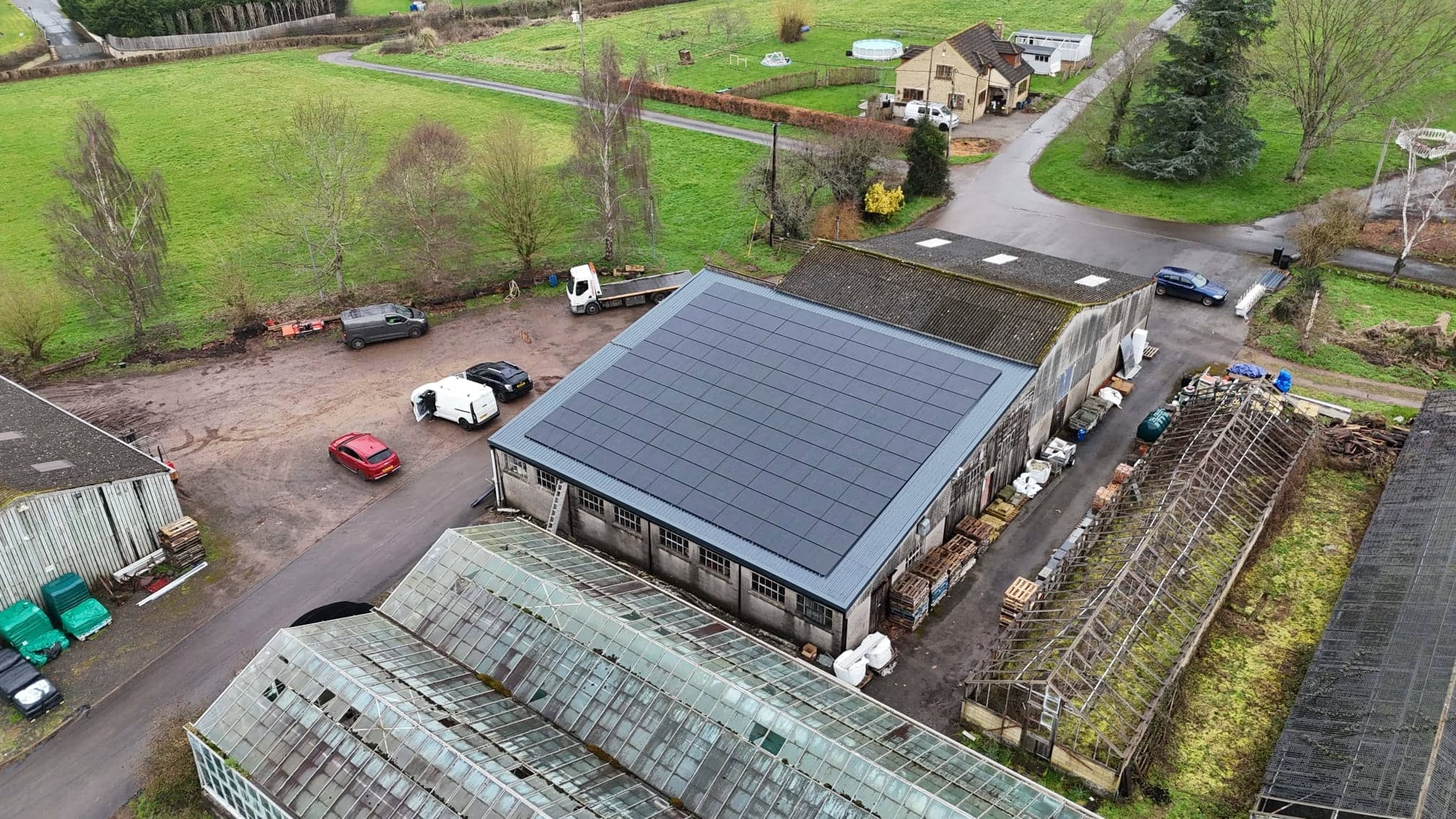
A 49.67 kWp solar and battery system designed to reduce operating costs and increase energy independence for Stanton Nurseries.
The project is estimated to generate 42,228 kWh of electricity a year, deliver an approximate £7,648 financial benefit in year one and achieve a four-year payback.
When Phase Energy found the originally selected fibre-cement roof was too fragile to install on safely, the project was reworked to include overcladding before the solar installation proceeded – future-proofing the building as well as the energy system.
At a glance
Location
Sector
Horticulture / Nurseries
System Size
49.67 kWp
Panels
108 × AIKO Neostar 460W
Battery Storage
30 kWh
Existing Use
Approx. 30,000 kWh/year
EST. Generation
42,228 kWh/year
Est. Year-one Benefit
Approx. £7,648
Est. CO₂ Reduction
8,743 kg/year
Demand Covered
Approx. 50%
Est. Payback
4 years
The client’s objective
Stanton Nurseries had considered solar in the past but had not previously gone ahead. The business wanted to reduce electricity costs and ongoing operating expenses while becoming less dependent on grid energy.
Battery storage was also important because the site uses lighting for plants overnight. The intention was to retain more of the solar energy generated during the day so that it could contribute to electricity demand outside daylight hours.
The Phase Energy solution
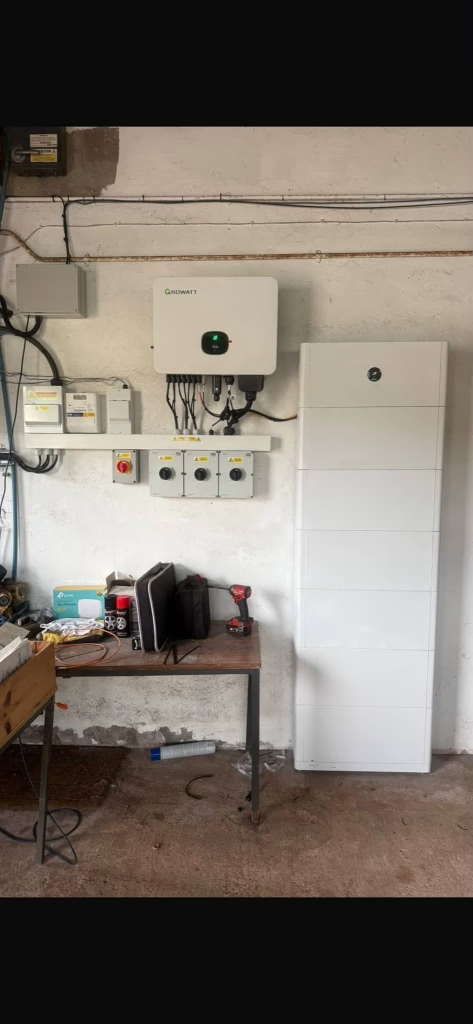
Phase Energy designed a 49.67 kWp solar PV system using 108 AIKO Neostar 460W panels on the selected south-facing commercial roof. The solar array was paired with a Growatt MID inverter and six Growatt APX 5 kWh battery modules, providing 30 kWh of stated battery storage.
The client chose to start with one battery stack and monitor how it performs in practice, leaving open the option of reviewing storage requirements later.
Why the system was designed this way
The chosen roof was south-facing and was the area the client wanted to use, so the design maximised the available space on that roof. The DNO approved the proposed generation but imposed a 50% export limit. Battery storage therefore had an additional role in helping the site retain more generated electricity rather than relying on export.
The system was designed around the nursery’s operating needs rather than simply filling the roof with equipment. The aim was to combine a substantial solar array with storage that could support energy use beyond daylight hours, particularly the lighting used for plants overnight.
Installation
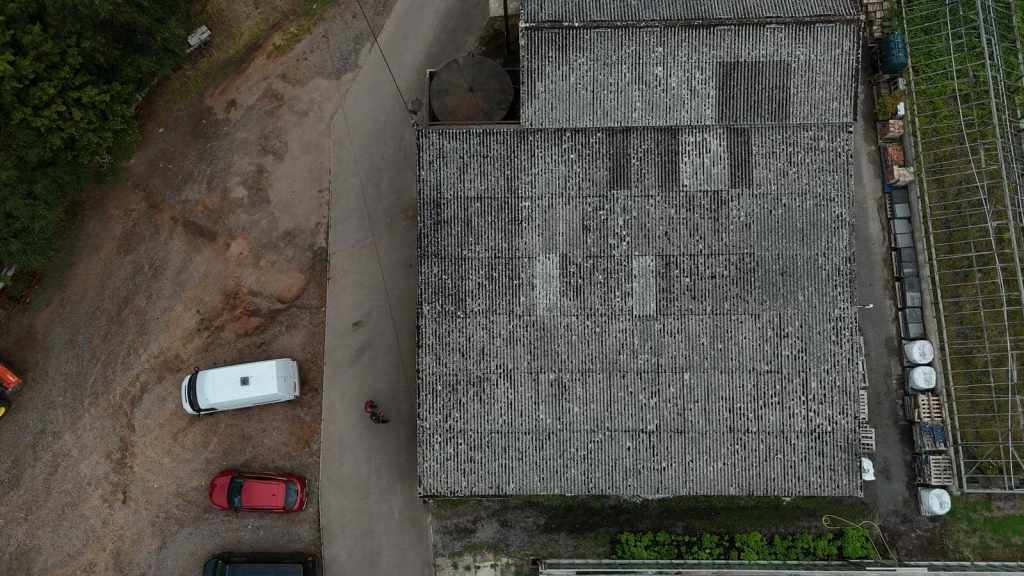
This project changed significantly once work began. When Phase Energy inspected the fibre-cement roof that had originally been selected, the team found multiple cracks and areas that were too fragile for them to be comfortable installing the solar system safely.
Rather than proceed on a roof they considered unsuitable, Phase Energy stopped and discussed the available options with the client. After considering other buildings and possible approaches, the client agreed that Phase Energy’s roofing team would overclad the original roof before the solar installation continued.
The additional roofing work increased the scope and cost of the project, but it also meant that one of the main buildings on site was being future-proofed at the same time. The full project took approximately a week to complete.
Predicted energy and financial performance
The system is estimated to generate approximately 42,228 kWh of electricity per year. Based on the proposal-stage information supplied, Phase Energy estimated a combined year-one financial benefit of approximately £7,648 and an estimated payback period of around four years.
The client supplied an estimate that the system could cover around 50% of electricity bills. The nursery’s existing annual electricity consumption was stated as approximately 30,000 kWh, and the estimated annual CO₂ reduction is 8,743 kg.
All generation, financial, consumption and carbon figures are estimates rather than guarantees. Actual results will depend on weather, operating patterns, tariffs, battery use and future electricity demand.
Battery storage
The 30 kWh Growatt battery system was included because the nursery has electricity demand outside solar-generation hours, including lighting used for plants overnight. The battery gives the business greater opportunity to store solar generation for later use.
Finance
The client sourced funding for the project independently.
Future performance update
The project is currently presented using proposal-stage performance estimates. Once sufficient operating data is available, the case study could be strengthened with actual generation, import/export, battery use and financial performance. Until then, an ‘Actual performance’ module should remain hidden on the live website.
More Commercial Solar Projects
See some more examples of happy client projects below
-
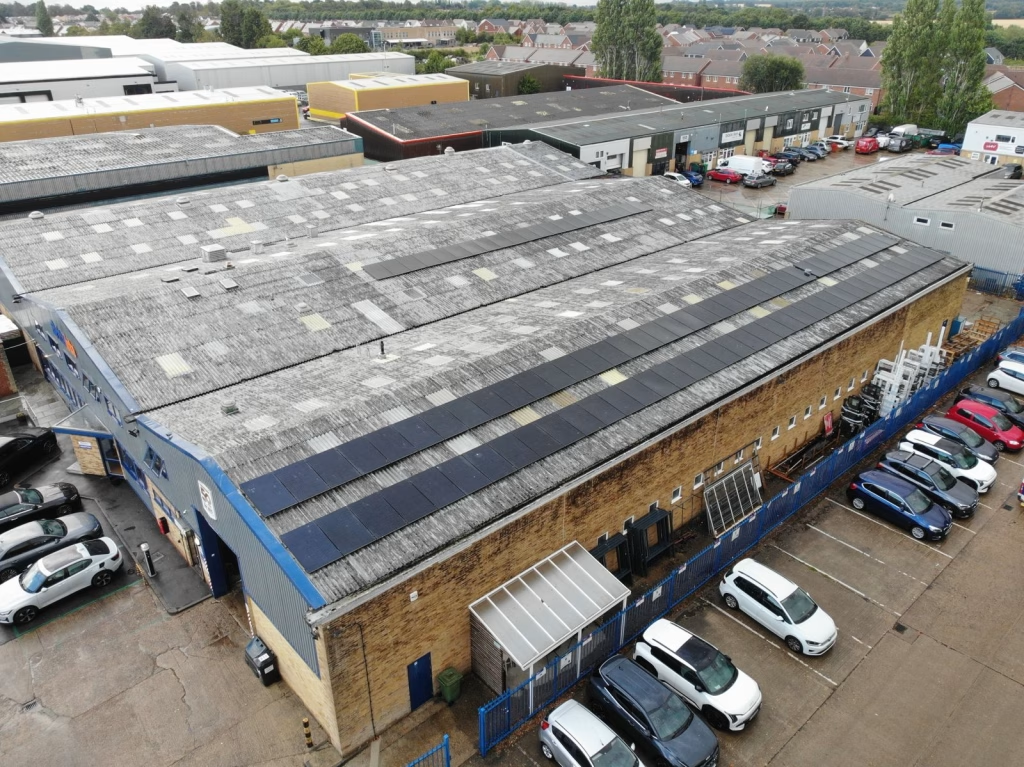
Commercial Solar Installation for Britelite Windows, Maidstone
A commercial solar system predicted to generate 45,802 kWh a year with a 3–4 year…
-

Commercial Solar Installation at Frith Farm, Tadley, Hampshire
A 71.76 kWp farm solar system predicted to generate 66,039 kWh a year with a…
-

Commercial Solar Installation for a Farm in Malton, North Yorkshire
Estimated to generate 21,259 kWh a year with a five-year payback.